New York Fed Reports 'Remarkable Increase' in Food Insecurity Among US Households
Federal Reserve Bank of New York analysis finds significant rise in food insecurity since 2020, particularly affecting low-income families with children.

Federal Reserve Bank of New York analysis finds significant rise in food insecurity since 2020, particularly affecting low-income families with children.

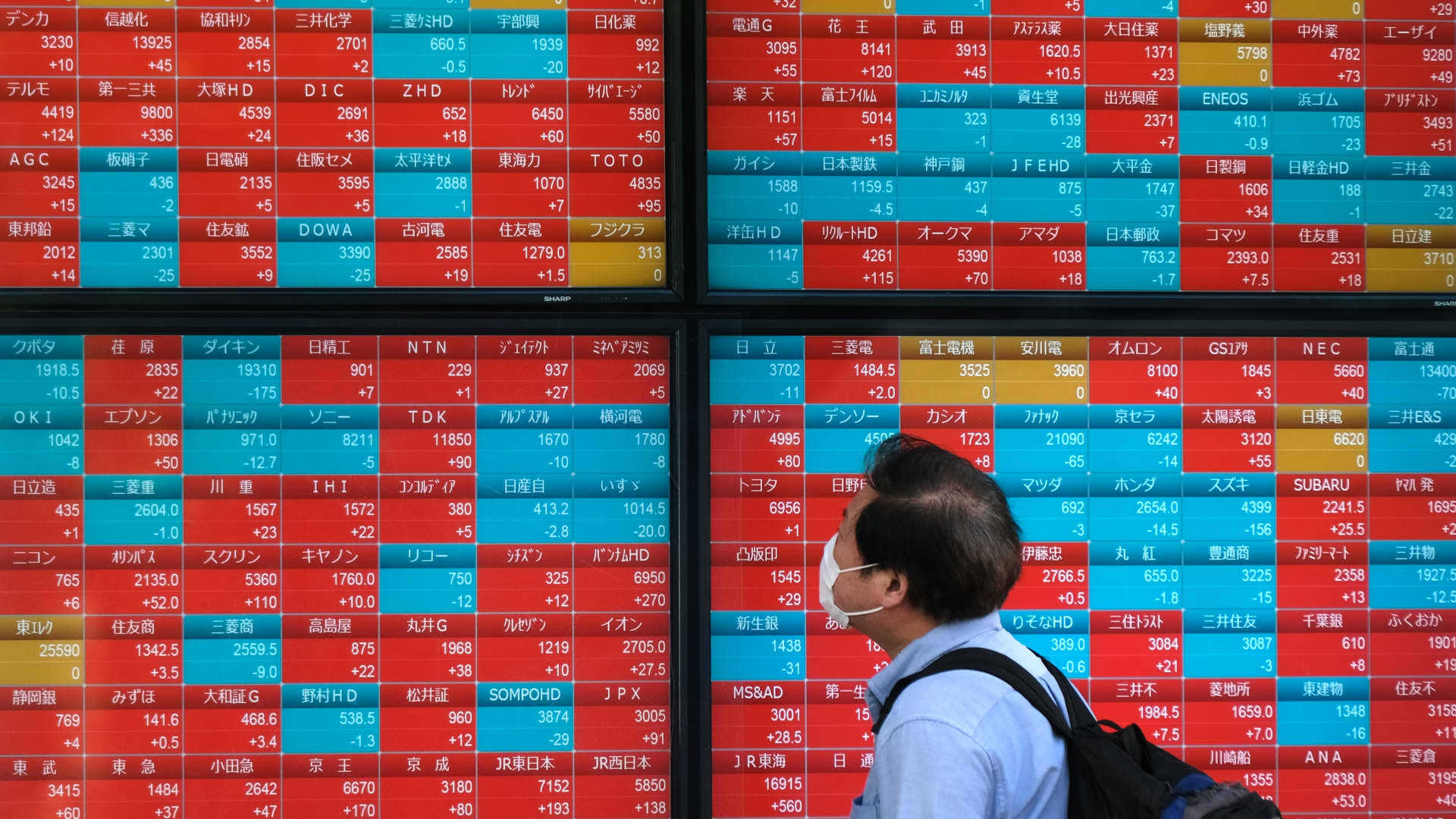
Asian and European stocks fell as government bond yields climbed to levels not seen since 2007, while UK inflation showed temporary decline amid energy market volatility.

Economic data reveals contradictory trends in housing and business sentiment as Federal Reserve rate policy remains uncertain.

Financial markets face varied pressures as mortgage rates ease amid buyer retreat, supply concerns emerge for stocks, and Asian central banks consider policy shifts.

Higher interest rates tied to geopolitical conflicts are affecting markets from mortgages to private credit, while manufacturing shows unexpected strength.
Several significant corporate transactions and public offerings highlighted market activity, including GSK's $10.6 billion acquisition and multiple fundraising deals.
Major technology companies experienced significant stock declines and market volatility while continuing massive AI infrastructure investments.

US job openings jumped to 8.1 million in April, the highest since 2022, while major stock indices retreated slightly after hitting record highs.
Oil markets maintained gains while US stock futures fell as investors navigated conflicting signals about ongoing geopolitical tensions.

Financial markets showed mixed reactions to ongoing Iran conflict and artificial intelligence developments ahead of Federal Reserve policy decisions.

Oil prices declined amid reports of potential Iran peace negotiations, while markets prepare for Federal Reserve leadership changes and assess various geopolitical developments.

The US economy expanded at a 2% annual rate in early 2026, rebounding from slower fourth-quarter growth amid ongoing Middle East conflict.

Semiconductor and technology stocks faced significant declines this week, with over $1 trillion in market value erased as investors rotated toward defensive sectors.

Japan's Nikkei 225 reached record highs while gold rose and oil weakened following reports of extended US-Iran ceasefire arrangements.

Chinese industrial profits jumped 15.8% in March driven by AI and semiconductor demand, while global markets face energy supply pressures and geopolitical uncertainties.
Page 5 of 100 (1498 stories)