Officials Question NATO Effectiveness, Suggest Alternative Defense Partnerships
Republican officials have criticized NATO's performance and suggested the U.S. explore new defense alliances with Pacific allies.
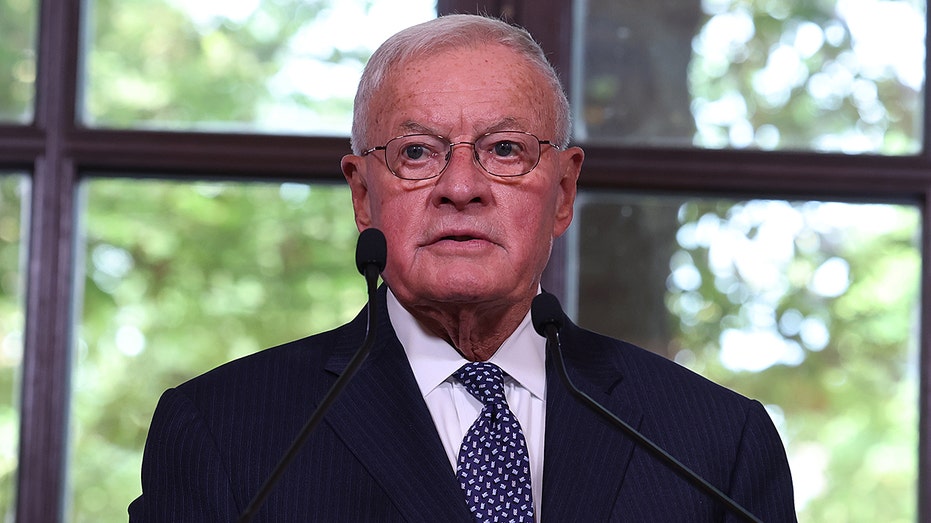
Republican officials have raised questions about NATO's effectiveness and suggested the United States consider alternative defense partnerships, according to recent statements.
Sen. Marco Rubio indicated that European NATO allies need to align more closely with U.S. positions to maintain the alliance relationship. His comments suggested that continued U.S. commitment to NATO depends on greater European cooperation.
Retired Lt. Gen. Keith Kellogg separately criticized NATO's performance during recent conflicts involving Iran, describing allied responses as inadequate. Kellogg characterized some NATO members' actions using harsh language and questioned the alliance's overall effectiveness.
As an alternative, Kellogg proposed that the United States should consider forming new defense partnerships, specifically mentioning Japan and Australia as potential partners. These nations are already part of existing security arrangements with the U.S. through bilateral treaties and multilateral frameworks like the QUAD.
The criticism comes amid ongoing discussions about burden-sharing within NATO and the alliance's role in addressing global security challenges beyond its traditional European focus. NATO members have previously faced pressure to increase defense spending to meet the alliance's target of 2% of GDP.
Both officials' comments reflect broader Republican Party discussions about U.S. alliance commitments and expectations for allied contributions to collective defense efforts.