Miami Park Designed for Flood Control as Renewables Lead 2025 Energy Capacity
A Miami park showcases flood-resistant design while renewable energy dominates new power installations globally.
Two separate developments highlight ongoing efforts to address climate change impacts through infrastructure and energy transitions.
In Miami, the 19.4-acre Bayshore Park has been designed specifically to manage flooding as severe storms increasingly affect South Florida. The park incorporates water absorption features intended to protect surrounding areas from flood damage while providing residents with access to natural spaces.
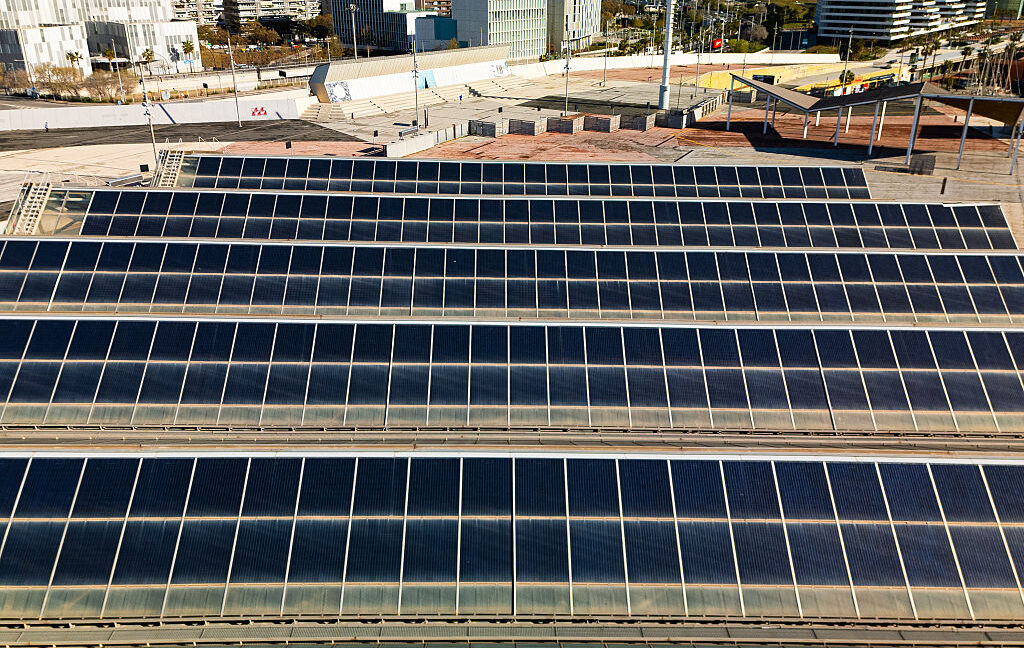
Meanwhile, renewable energy sources are expected to account for the majority of newly installed power generation capacity in 2025. Solar power represents approximately three-quarters of the renewable energy installations planned for the year.
The Miami park project reflects growing recognition among urban planners that infrastructure must be adapted to handle more intense weather events. The design aims to serve dual purposes of flood mitigation and community recreation.
The dominance of renewables in new power capacity additions continues a multi-year trend as costs for solar and wind technologies have decreased while efficiency has improved. Solar installations in particular have expanded rapidly across multiple markets.