Ancient Egyptian Papyrus Scrolls and Prehistoric Sea Creature Studies Make Headlines
Two separate archaeological discoveries emerged this week involving ancient Egyptian artifacts and a reclassified prehistoric marine animal.
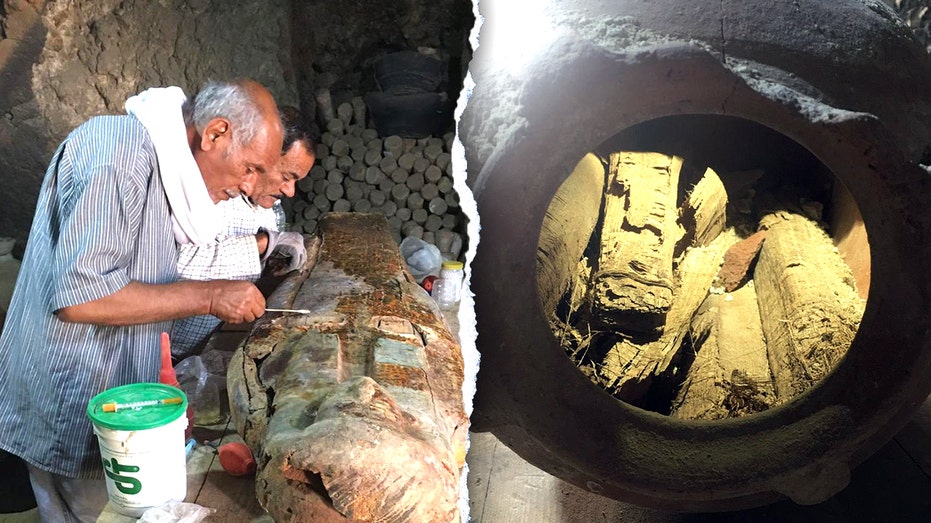
Archaeologists working in Egypt have uncovered eight rare papyrus scrolls dating back approximately 3,000 years, according to recent reports. The scrolls were discovered alongside coffins believed to belong to ancient temple singers, with some of the papyrus documents still bearing intact seals from their original time period.
The Egyptian discovery represents a significant find for researchers studying ancient civilizations, as papyrus scrolls from this era are considered extremely rare. The content of the sealed scrolls has not yet been revealed, as researchers continue their examination of the artifacts.
In a separate scientific development, researchers have reclassified a 300-million-year-old marine fossil previously thought to represent the world's oldest octopus. New evidence suggests the ancient sea creature is actually more closely related to the nautilus family rather than modern octopuses.
The prehistoric marine animal reclassification demonstrates how ongoing scientific analysis can reshape understanding of ancient life forms. The creature's true taxonomic placement provides new insights into the evolutionary history of cephalopods, the group that includes both octopuses and nautiluses.
Both discoveries highlight the continuing evolution of archaeological and paleontological research, where new findings and analysis methods can reveal previously unknown details about ancient civilizations and prehistoric life.