Oil Shock From Iran Conflict Drives March Inflation Higher as Markets Weigh Impact
Consumer prices rose 3.3% in March as the Iran conflict triggered significant oil price increases, though stock markets showed resilience despite energy market disruption.
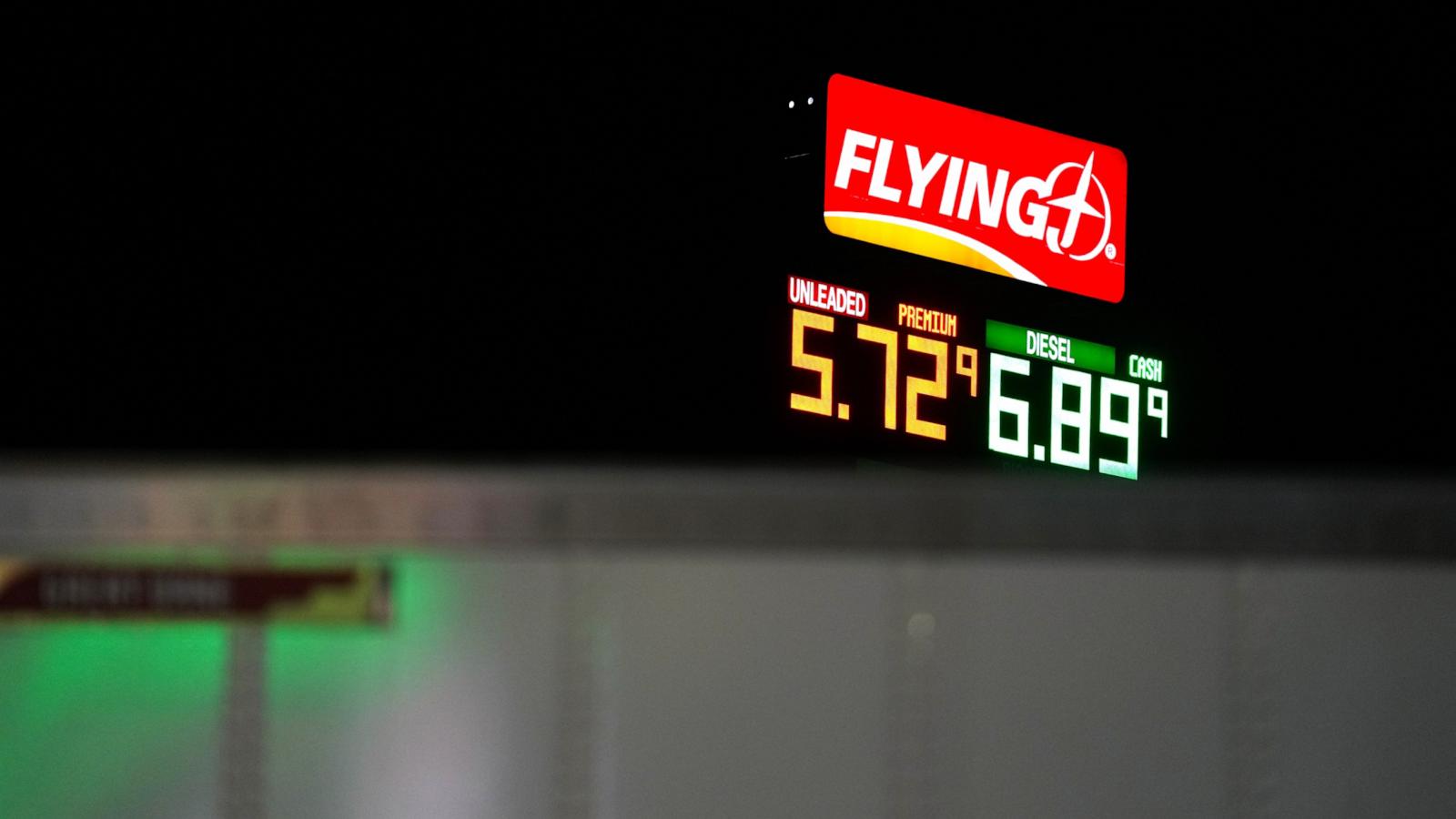
U.S. consumer prices increased 3.3% in March, driven primarily by energy costs that spiked amid escalating conflict involving Iran in the Middle East. The inflation reading aligned with economists' expectations and reflected one of the largest oil shocks in decades, according to the Bureau of Labor Statistics report released Friday.
The conflict has disrupted oil flows from the Persian Gulf region, with analysts warning that prolonged tensions could push oil prices to wartime highs. JPMorgan cautioned that continued standstill in the Strait of Hormuz shipping lanes could severely impact global energy markets. European airports are facing potential jet fuel shortages within three weeks due to supply chain disruptions.
Despite the energy market turmoil, U.S. stock markets opened higher Friday, with the S&P 500 and Nasdaq gaining ground after the inflation data release. The S&P 500 appeared positioned to recover losses incurred during the initial stages of the Iran conflict, suggesting investor confidence that broader economic impacts may be contained.
The oil shock has created ripple effects across global trade, with shipping companies exploring alternative routes due to high air cargo rates and ocean transport gridlock. Ireland experienced fuel-related protests as energy prices climbed, while maritime trade remained chaotic despite ceasefire efforts in the region.
Federal Reserve officials acknowledged the energy price surge complicates inflation reduction efforts. San Francisco Fed President Mary Daly indicated in exclusive comments that the oil shock means achieving lower inflation targets will take longer than previously anticipated, adding uncertainty to monetary policy planning.