High nomination fees shape African elections as barriers to competition emerge
Elections in Benin and Djibouti highlight how costly electoral systems are limiting candidate participation across Africa.
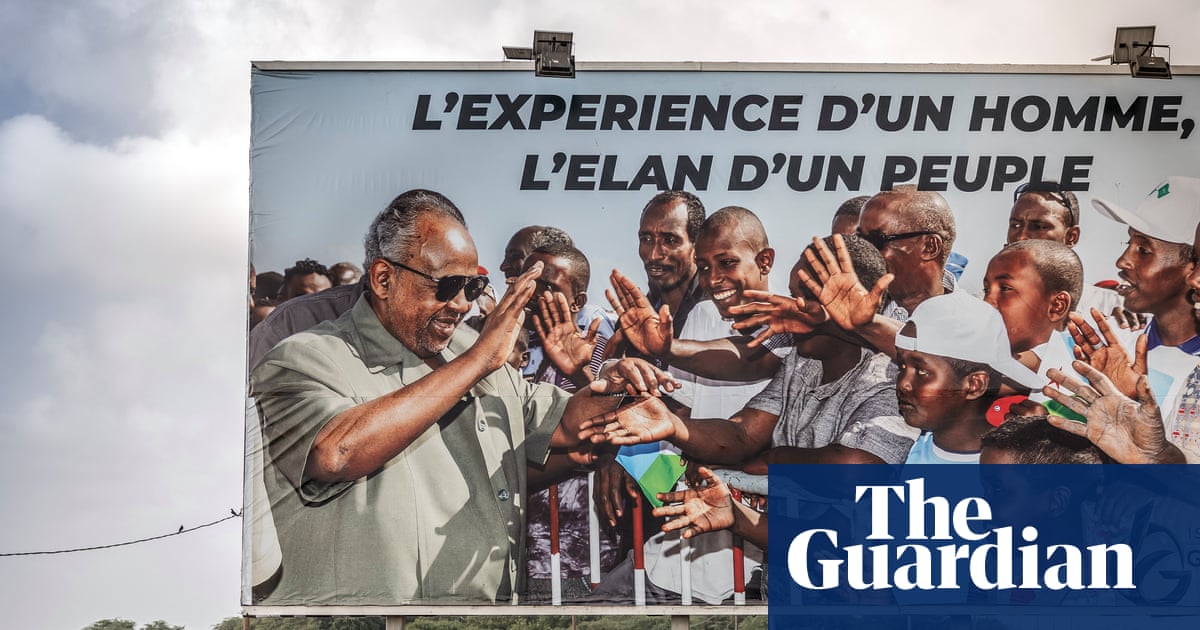
Recent presidential elections in Benin and Djibouti have drawn attention to how expensive nomination fees and electoral barriers are affecting democratic participation across Africa.
In Benin, candidate Wadagni secured a decisive victory with over 94% of the vote, according to preliminary results. The overwhelming margin reflects limited competition in the electoral field.
Meanwhile, in Djibouti, former presidential adviser Alexis Mohamed was unable to challenge incumbent President Ismail Omar Guelleh despite his intention to run. Mohamed, who resigned from his advisory role in September citing concerns about democratic regression, said he could not return to file nomination papers or campaign without security guarantees.
Beyond security concerns, Mohamed pointed to nomination costs as a significant barrier to entry, even for those permitted to compete. The financial requirements have become a substantial obstacle for potential candidates across the region.
The elections underscore broader concerns about electoral accessibility in parts of Africa, where high costs and administrative hurdles can limit the pool of viable candidates. Critics argue these barriers are transforming some democratic processes into largely ceremonial exercises with predetermined outcomes.
Both countries' elections concluded over the weekend, with results reflecting the constrained competitive landscape that has emerged in several African nations where entry barriers have risen substantially.