Fuel protests disrupt traffic in Ireland amid government crisis
Truck and tractor protests have spread across Ireland, prompting the prime minister to announce tax cuts as the government faces potential no-confidence vote.
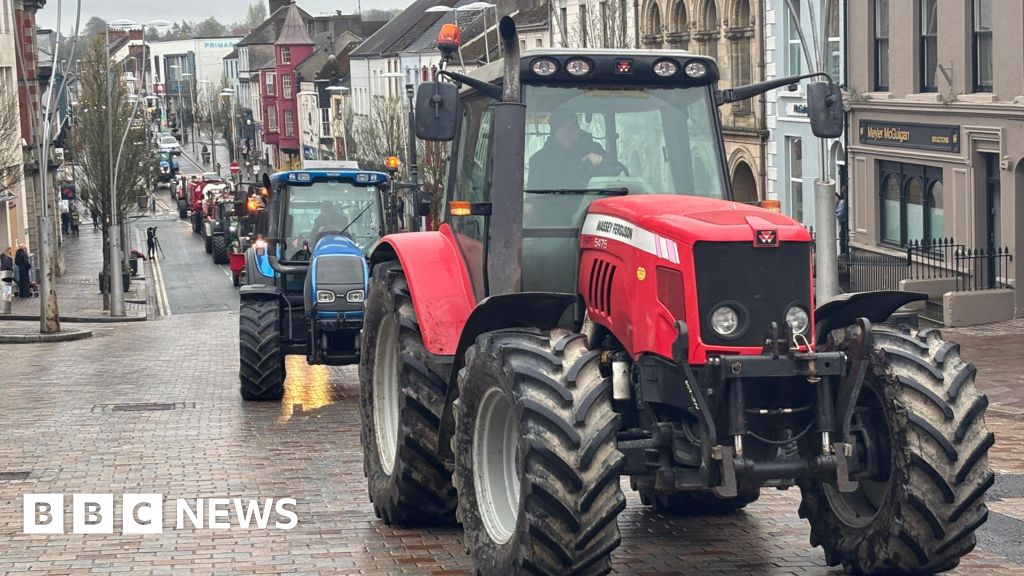
Fuel protests involving trucks, lorries and tractors have brought traffic to a standstill across parts of Ireland, with demonstrations spreading beyond Belfast to areas including County Tyrone.
The protests began following the closure of the Strait of Hormuz, which occurred after what NPR describes as a "U.S.-Israel war on Iran," though this characterization could not be independently verified from the available sources. The closure has contributed to fuel supply disruptions affecting the region.
In response to the growing crisis, Ireland's prime minister announced new tax cuts aimed at addressing protesters' concerns and ending the demonstrations. The government's handling of the situation has drawn criticism from opposition parties.
The fuel protests have created a political crisis for the Irish government, which now faces the possibility of a no-confidence vote over its response to the demonstrations. The combination of economic pressures from fuel shortages and public unrest has put significant pressure on government officials to find solutions.
Traffic disruptions continue as protesters use large vehicles to block major roadways, affecting commerce and daily transportation throughout the affected regions. The protests represent one of the most significant challenges facing the current Irish administration.