Artemis II Mission Completes Moon Flyby as Questions Arise About Heat Shield Performance
NASA's Artemis II spacecraft successfully returned from its lunar mission, but post-flight analysis has raised concerns about the heat shield's condition during reentry.
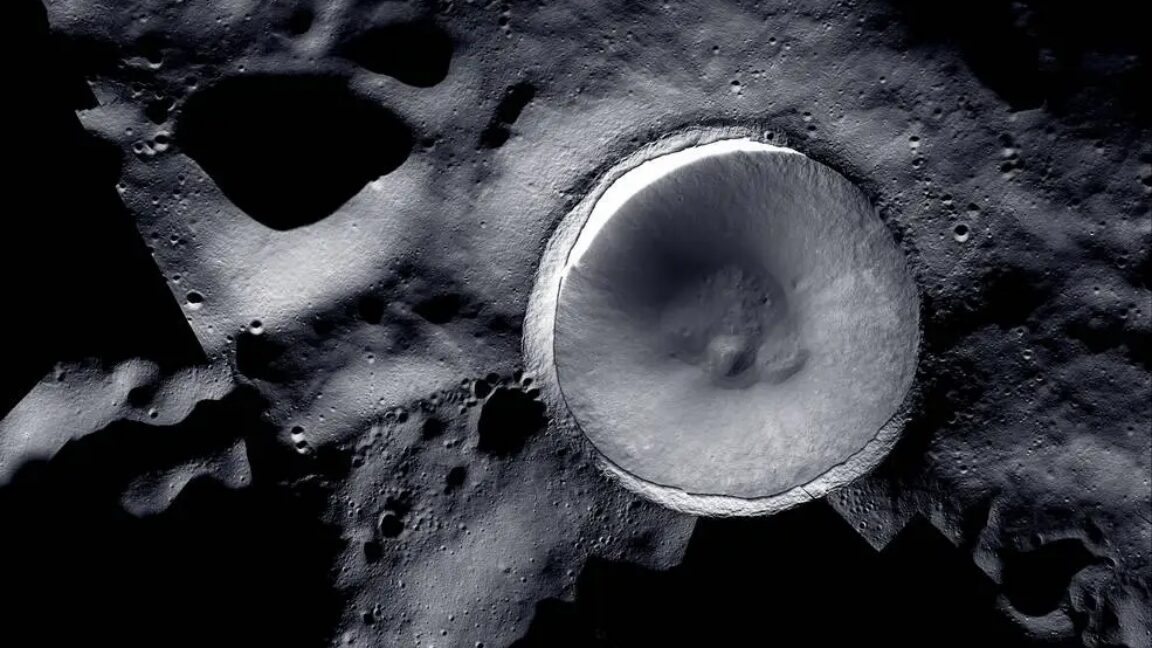
NASA's Artemis II mission has successfully completed its journey around the Moon and returned to Earth, marking a significant milestone in the agency's plans to return humans to the lunar surface. The uncrewed test flight launched as part of NASA's broader Artemis program, which aims to establish a sustainable human presence on the Moon.
The spacecraft completed its planned trajectory, flying around the Moon before beginning its return journey to Earth. The mission served as a critical test of the Orion spacecraft's systems and capabilities ahead of future crewed missions to the lunar surface.
However, following the mission's completion, questions have emerged regarding the performance of the heat shield that protected the spacecraft during its high-speed reentry into Earth's atmosphere. The heat shield is a crucial component designed to protect both the spacecraft and any future crew members from the extreme temperatures generated during reentry from lunar distances.
NASA engineers are currently analyzing data and imagery from the reentry phase to assess the heat shield's condition and performance. The agency has not yet released detailed findings about any potential issues or concerns identified during the post-mission review.
The Artemis II mission represents a key step in NASA's timeline toward landing the first woman and next man on the Moon since the Apollo era. Future Artemis missions will carry astronauts, making the thorough evaluation of all spacecraft systems, including the heat shield, essential for crew safety and mission success.