DNA Evidence and Forensic Genealogy Lead to Breakthroughs in Multiple Cold Cases
Law enforcement agencies report solving several decades-old cold cases using advances in forensic genetic genealogy and DNA evidence.
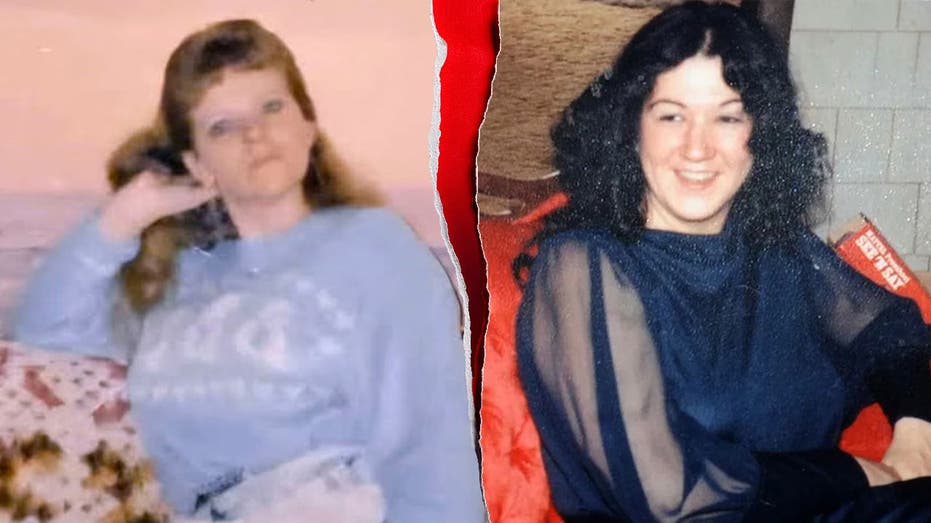
Law enforcement agencies across multiple states have announced breakthroughs in several decades-old cold cases, crediting advances in forensic genetic genealogy and DNA evidence collection for the developments.
In New York, investigators are focusing on DNA evidence collected from a smoothie straw in connection with the 1981 disappearance and murder of 16-year-old Theresa Fusco on Long Island. Fusco vanished more than 40 years ago, and her body was discovered approximately one month later. The case remained unsolved for decades until recent DNA analysis provided new leads.
Separately, authorities in Brockton, Massachusetts, announced they have identified a suspect in two cold cases using forensic genetic genealogy. Officials described the suspect as involved in crimes including strangulation and sexual assault, though the cases date back several decades.
In a third development, law enforcement reported an arrest in a 1993 Bronx case involving the execution-style killings of a married couple. The crime allegedly occurred in front of the victims' 3-year-old child. A Florida man has been charged in connection with the case, which investigators say haunted the victims' family for three decades.
Forensic genetic genealogy has emerged as a powerful tool for cold case investigations, allowing investigators to analyze DNA evidence and compare it against public genealogy databases to identify potential suspects or family connections. The technique has led to numerous case resolutions in recent years as technology has advanced and databases have expanded.