Capitol Hill Work Environment Faces Scrutiny as Late-Night Sessions and Absences Mount
Congressional work conditions draw attention amid continued late-night voting sessions and a Republican lawmaker's medical absence.
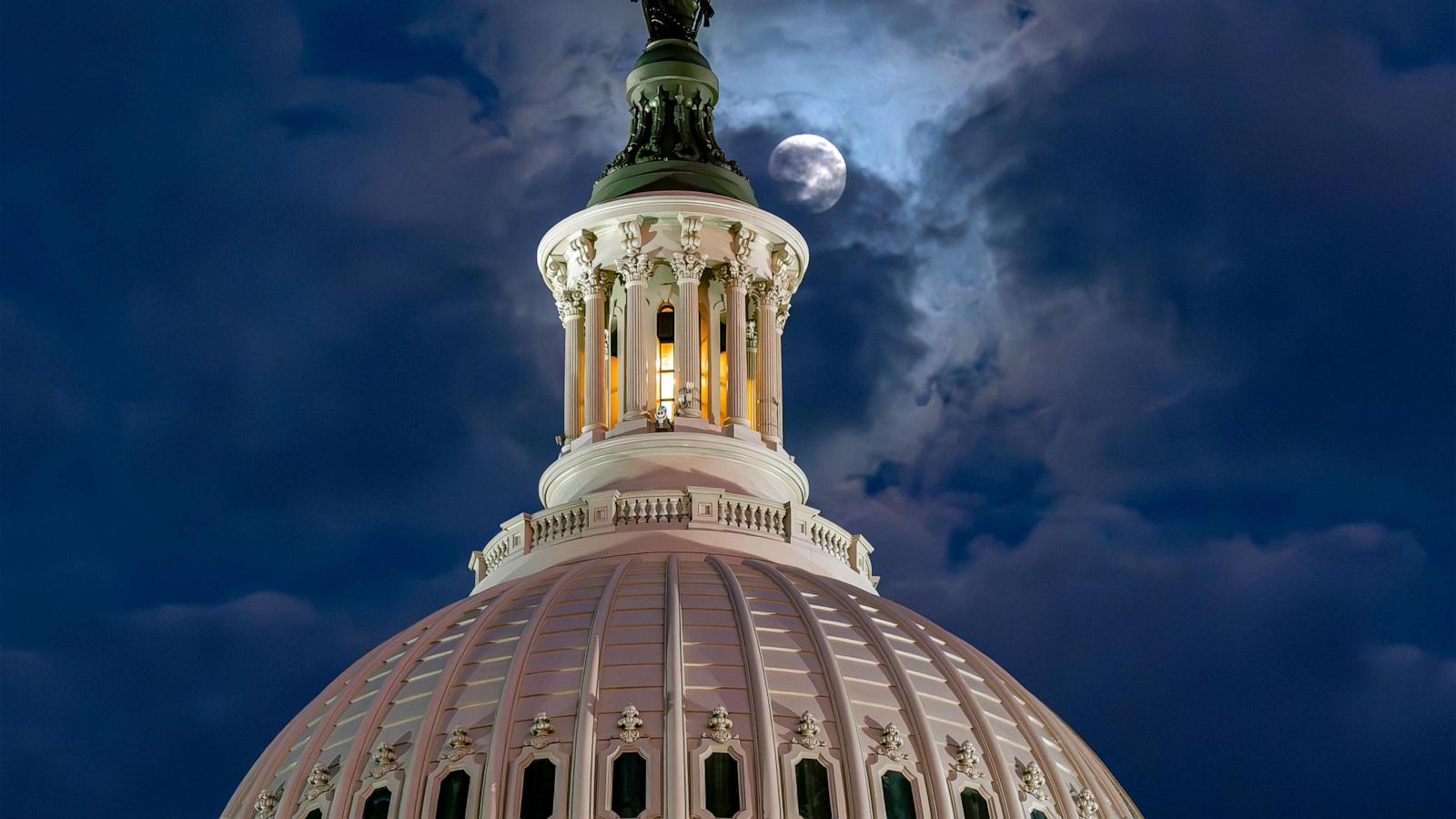
The demanding work environment on Capitol Hill is drawing renewed attention as Congress continues its pattern of late-night voting sessions while dealing with lawmaker absences due to health issues.
Congressional leaders from both major political parties have long used late-night votes as a pressure tactic to advance legislation, creating what some describe as dysfunction during extended evening sessions. These scheduling practices have become a routine part of congressional operations despite concerns about their impact on lawmakers and staff.
Meanwhile, Representative Thomas Kean Jr., a New Jersey Republican, has been absent from House votes due to what his spokesman described as an unspecified "personal medical issue." The absence has raised questions about the congressman's health status, though no additional details have been provided about the nature or duration of his medical situation.
The current Capitol Hill work environment has become a topic of discussion among lawmakers from both parties. Democratic Representative Debbie Dingell and Republican Representative Nicole Malliotakis recently spoke about working conditions in Congress and how the demanding environment may be contributing to some lawmakers' decisions to retire from office.
The combination of irregular schedules, late-night sessions, and health-related absences highlights ongoing challenges faced by members of Congress in balancing their legislative duties with personal well-being. These conditions continue to shape discussions about congressional operations and workplace practices on Capitol Hill.