Maryland Becomes First State to Ban Surveillance Pricing at Grocery Stores
Maryland will prohibit surveillance pricing technology in grocery stores starting October 2026, becoming the first U.S. state to enact such legislation.
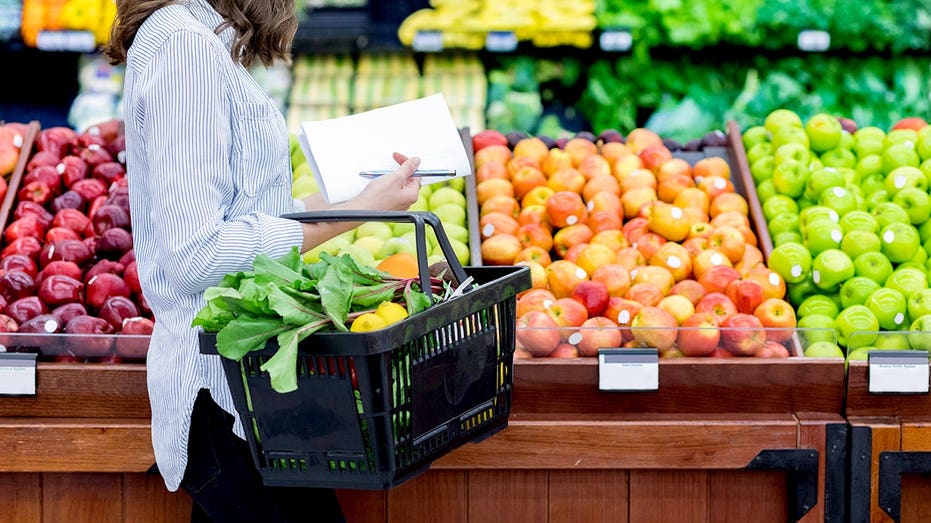
Maryland has become the first state in the United States to ban surveillance pricing at grocery stores, with new legislation set to take effect on October 1, 2026.
Surveillance pricing refers to technology systems that use customer data and algorithms to adjust prices in real-time based on factors such as shopping patterns, demographics, and purchase history. The practice has raised concerns among consumer advocates about potential discrimination and privacy violations.
The new Maryland law will prohibit grocery stores from implementing these dynamic pricing systems that track and analyze individual customer behavior to determine personalized pricing. Retailers will be required to maintain consistent pricing for all customers rather than using surveillance technology to vary prices based on collected data.
The legislation marks a significant step in regulating emerging retail technologies as concerns grow about data privacy and algorithmic pricing fairness. Maryland's action could influence similar legislative efforts in other states as lawmakers grapple with balancing technological innovation and consumer protection.
The law provides grocery retailers with nearly two years to adjust their systems and pricing practices before the ban takes effect in late 2026.