Stock Markets Rise Despite War, Inflation Pressures and Political Uncertainty
U.S. stock markets have shown resilience amid ongoing conflict with Iran, high oil prices, and political challenges facing the Trump administration.
U.S. stock markets have demonstrated unexpected resilience in recent weeks despite multiple economic and geopolitical pressures affecting the country. The Dow and Nasdaq had entered correction territory in late March, falling more than 10% below their peaks during a month of significant selloffs.
The market downturn coincided with escalating conflict with Iran and rising oil prices. The situation has contributed to higher gas prices for consumers, with the Strait of Hormuz remaining closed and peace negotiations appearing uncertain.
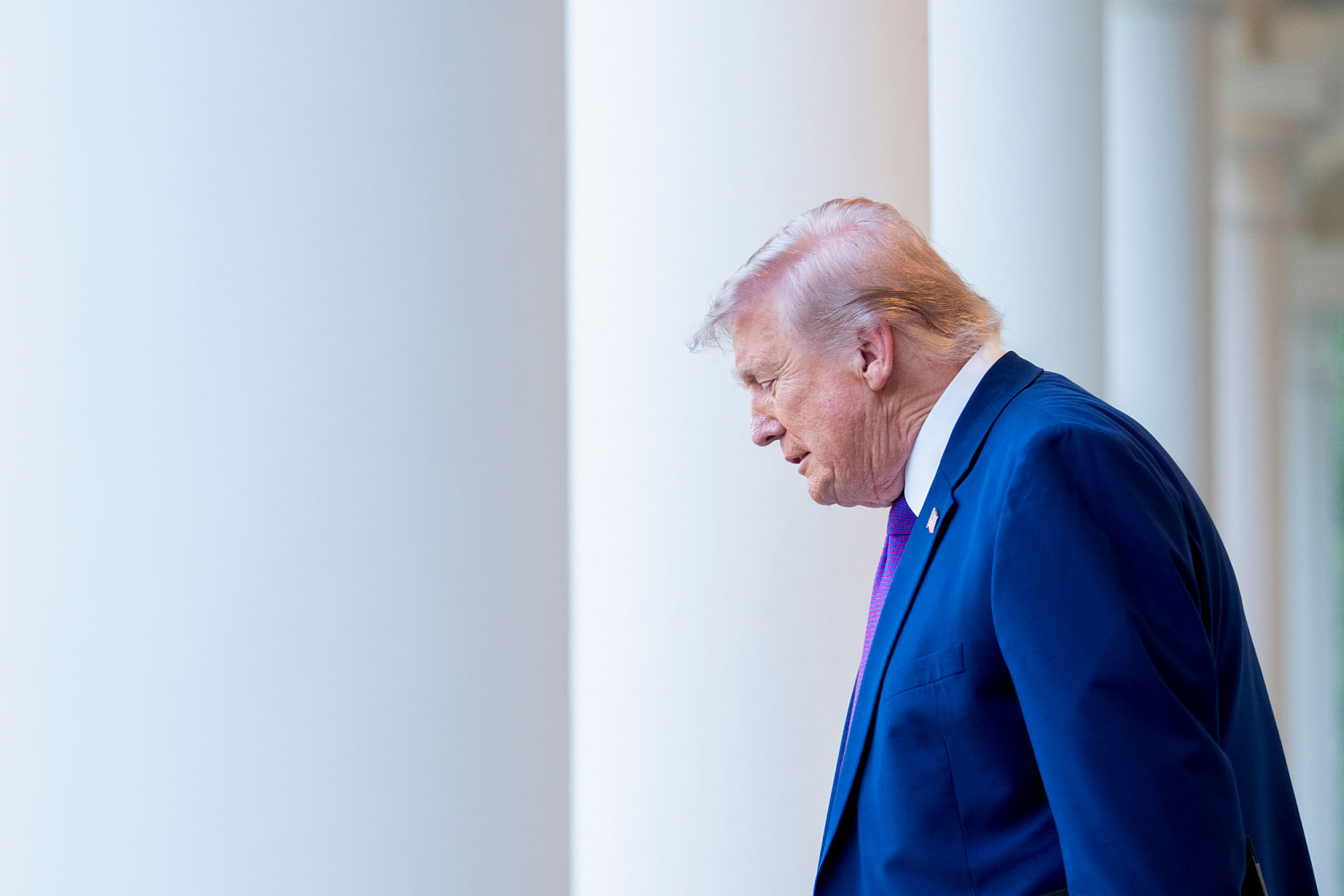
President Trump has faced criticism over his handling of the situation, stating Wednesday that he is "not even a little bit" motivated by Americans' financial circumstances to end the conflict. His approval ratings have declined amid the combination of high prices and the ongoing war.
Despite these challenges, markets have shown a recovery by mid-May, even as the underlying geopolitical situation remains largely unchanged. The disconnect between market performance and broader economic pressures has drawn attention from analysts.
The political implications extend beyond the presidency, with Republicans considering Trump's role in upcoming midterm campaigns. While his approval ratings have declined, party strategists note his continued ability to mobilize base voters that Republicans need for electoral success.
Consumer confidence has declined during this period, reflecting the impact of higher prices and ongoing uncertainty, even as financial markets have rebounded from their earlier lows.