Researchers identify largest dinosaur found in Southeast Asia from Thailand fossils
Scientists have discovered a massive sauropod dinosaur in Thailand, dubbed the largest ever found in Southeast Asia.
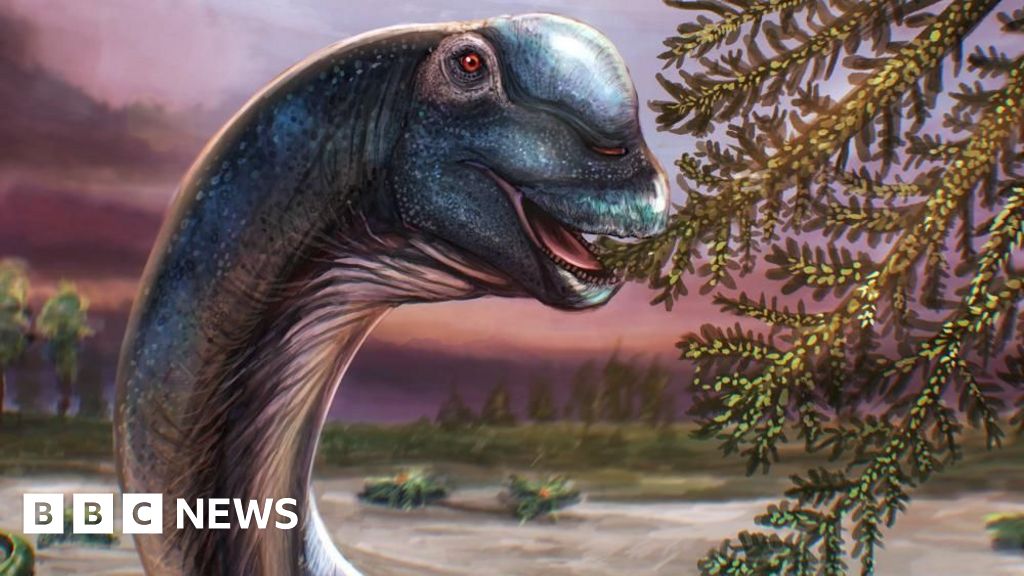
Researchers have identified what they describe as Southeast Asia's largest dinosaur from fossils discovered in Thailand. The newly identified species, named Nagatitan, represents a significant paleontological discovery for the region.
The dinosaur is a sauropod, characterized by its long neck and tail and herbivorous diet. Scientists estimate the creature weighed approximately as much as nine elephants, making it substantially larger than any previously discovered dinosaur remains in Southeast Asia.
The fossils date back to the late Early Cretaceous period, placing the dinosaur's existence between 100 and 120 million years ago. This time period represents a crucial era in dinosaur evolution and distribution across the ancient supercontinent.
Researchers have referred to the discovery as the "last titan" of Thailand, highlighting its significance both in terms of size and its place in the paleontological record of the region. The find adds important data to scientists' understanding of dinosaur distribution and evolution in Southeast Asia during the Cretaceous period.
The identification of Nagatitan contributes to the growing body of evidence about dinosaur diversity in what is now Southeast Asia, providing new insights into the ancient ecosystems that existed in the region millions of years ago.