Trump's Influence on Republican Party Shows Mixed Results Ahead of Midterms
Former President Trump's endorsements continue to shape GOP primaries, though some Republicans are showing independence from his influence.
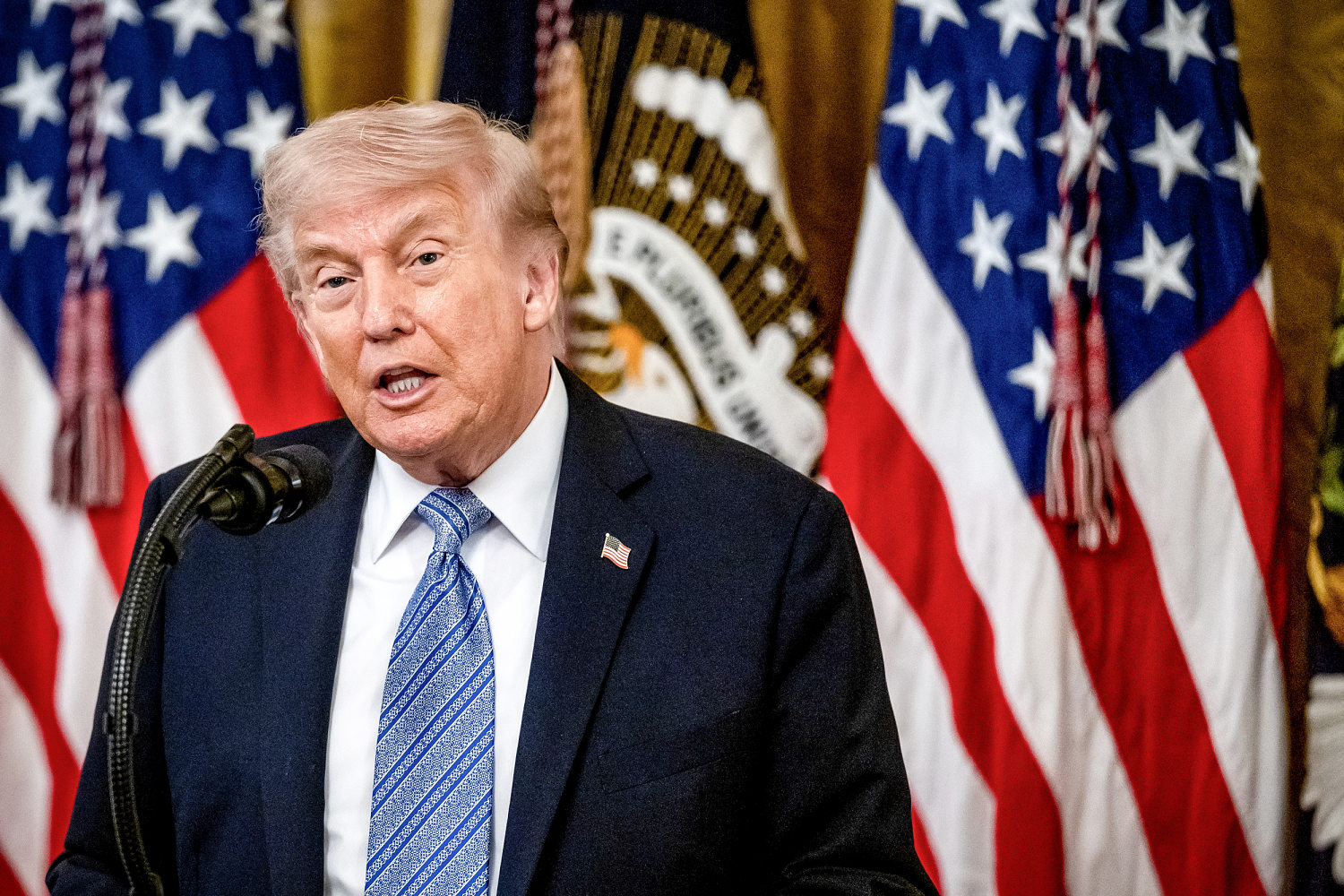
Former President Donald Trump's influence over the Republican Party remains significant but shows signs of variation as the party approaches the 2022 midterm elections. Recent primary contests have demonstrated both Trump's continued sway over GOP voters and emerging tensions within the party.
In Louisiana, Trump-backed candidate Julia Letlow defeated incumbent Senator Bill Cassidy, who had voted to convict Trump during his second impeachment trial. Trump had labeled Cassidy as "disloyal" for his impeachment vote, highlighting how the former president continues to use primary challenges to pressure Republicans who opposed him.
The results come as Kentucky faces its own competitive Republican primary, reflecting the unpredictable political dynamics that have characterized the state's electoral landscape. Kentucky has historically produced unexpected political outcomes and candidates across party lines.
Former Senator Lamar Alexander, in a new memoir, has called on Republicans to assert independence from Trump's influence. Alexander, who served as both senator and governor, stated that Trump committed impeachable offenses related to the January 6, 2021 Capitol events and encouraged Congress to exercise its constitutional authority.
With approximately six months remaining before the November midterm elections, Republican officials express both optimism and concern about Trump's role in determining the party's electoral prospects. While Trump will not appear on any ballots, his endorsements and continued political activity are expected to significantly influence Republican campaigns and voter turnout.
Some GOP lawmakers have begun to demonstrate increased independence from Trump's positions on certain legislative matters, though he retains substantial influence within the party base. This dynamic presents both opportunities and challenges for Republicans seeking to balance Trump's support with broader electoral appeal.