Ukraine Conflict Continues with Cross-Border Attacks and Military Developments
Recent developments in the Ukraine conflict include cross-border strikes, territorial changes, and military restructuring influenced by drone warfare.
Multiple developments in the ongoing Ukraine conflict emerged this week, ranging from cross-border attacks to shifts in military strategy influenced by evolving warfare tactics.
Ukrainian President Volodymyr Zelenskyy confirmed that Ukrainian forces conducted a strike on a Russian oil refinery in Yaroslavl, marking another instance of Ukraine's targeting of Russian energy infrastructure. The attack represents part of Ukraine's broader strategy of striking economic and military targets within Russian territory.
Meanwhile, the UN refugee agency reported that approximately $1 million worth of humanitarian aid was destroyed in a Russian strike within Ukraine. The loss of aid supplies adds to the ongoing humanitarian challenges facing the conflict zone.
According to Pentagon officials, Ukrainian forces have retaken some territory after disrupting Starlink communications systems. The development highlights the increasingly important role of satellite communications and electronic warfare in the conflict.
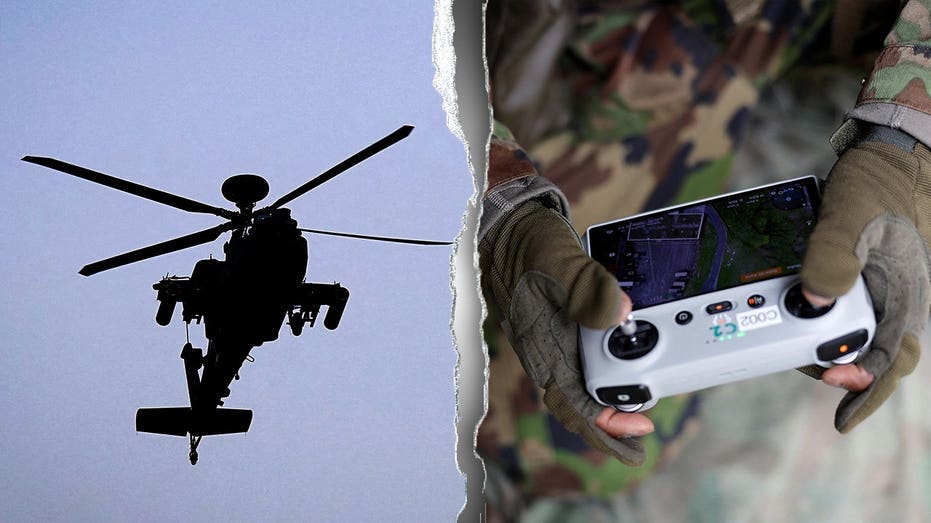
The war's impact on military planning extends beyond the immediate combatants. U.S. Army leaders indicated that lessons learned from drone warfare in Ukraine and the Middle East are driving significant changes to helicopter programs, with cuts planned for Apache, Black Hawk, and Chinook aircraft as the military adapts to evolving combat realities.
In Russia, President Vladimir Putin has been promoting military veterans to civilian leadership positions, replacing the popular governor of a region bordering Ukraine with a military commander as part of what appears to be an effort to reward those who participated in the conflict.