Immigration Policy Developments Draw Mixed Reactions Amid Court Challenges
Recent immigration policy changes and court decisions have prompted varied responses from political figures and legal experts.
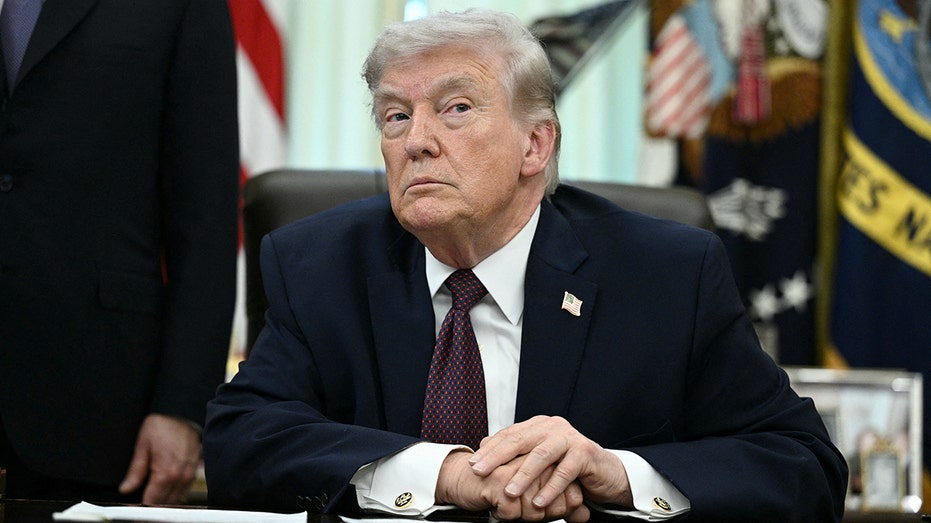
Recent developments in immigration policy have generated significant attention as various stakeholders respond to changes in enforcement and judicial decisions.
The Supreme Court is currently reviewing executive actions related to birthright citizenship, a constitutional provision that has been the subject of ongoing political debate. Legal experts note that the 14th Amendment's citizenship clause has been interpreted consistently by courts for over a century, though some lawmakers have previously questioned aspects of its implementation.
Separately, changes have occurred within the immigration court system, where several judges have been removed from their positions. These dismissals came after the judges issued rulings that blocked certain deportation proceedings, including cases involving students who had participated in pro-Palestinian demonstrations.
The immigration court system, which operates under the Department of Justice, has undergone various administrative changes in recent years. Immigration judges serve at the discretion of the Attorney General and can be reassigned or dismissed based on administrative decisions.
Legal advocacy groups have expressed concerns about potential impacts on judicial independence within the immigration system, while administration officials have emphasized the need for consistent enforcement of immigration laws. The developments reflect broader tensions over immigration policy and the role of federal courts in reviewing executive actions.
These changes come as immigration remains a significant policy priority, with various stakeholders continuing to debate the balance between enforcement measures and due process protections in immigration proceedings.