Officials Offer Differing Views on Middle East Strategy and Iranian Influence
Trump and Biden administration officials present contrasting assessments of Iran policy and regional dynamics in Lebanon and maritime security.
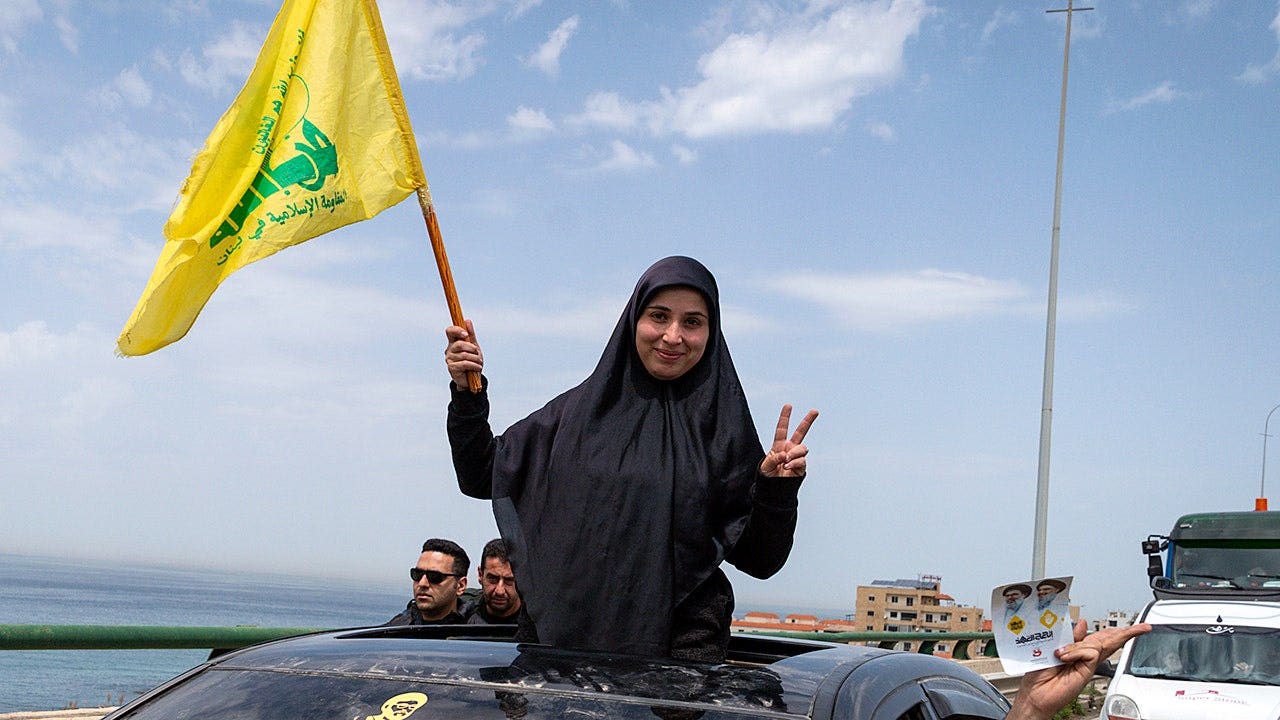
Two senior officials offered differing perspectives on Middle East strategy and Iranian influence during recent public appearances, highlighting ongoing policy debates over the region.
U.N. Ambassador Michael Waltz stated that former President Trump's Iran strategy has created what he described as the best opportunity in a generation to weaken Hezbollah's influence in Lebanon and advance regional peace efforts. Waltz made the comments while discussing the administration's approach to Iranian proxies in the region.
Separately, Amos Hochstein, a senior energy adviser to the Biden administration and Middle East negotiator, addressed Iranian capabilities during an interview on CBS's "Face the Nation." Hochstein, who also serves as managing partner at investment firm TWG Global, suggested that Iran now possesses enhanced leverage through potential closure of the Strait of Hormuz, a critical global shipping route.
The Strait of Hormuz serves as a vital chokepoint for international oil shipments, with approximately one-fifth of global petroleum liquids passing through the waterway. Any disruption to shipping in the strait would have significant implications for global energy markets.
Both officials' comments reflect ongoing discussions within U.S. policy circles about how to address Iranian influence across the Middle East, from Lebanon's political landscape to crucial maritime shipping lanes. The contrasting assessments underscore the complex nature of regional dynamics and differing views on effective strategies for managing Iranian activities.