Education Reports Highlight Teacher Pay, Union Spending, and College Accountability
Multiple education reports examine teacher compensation challenges, union political expenditures, and proposed federal oversight of college programs.
Recent reports have highlighted several challenges facing the American education system, from elementary through higher education levels.
A review of state education data shows that teacher pay increases have failed to keep pace with inflation, effectively reducing real compensation for educators. The analysis also found declining enrollment in public schools across multiple states.
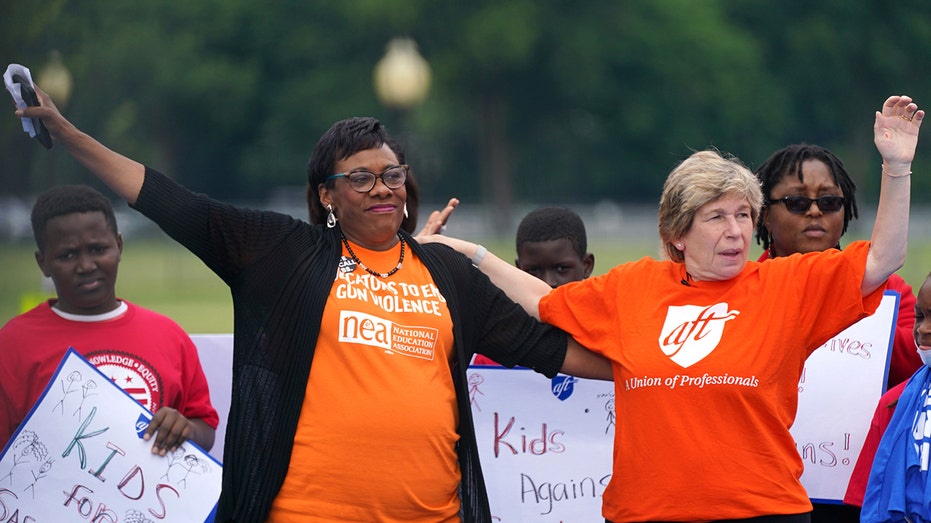
Separately, a report from Defending Education, a conservative watchdog organization, claims that teachers unions have directed more than $1 billion toward political causes over the past decade. The organization characterizes this spending as supporting liberal political initiatives, though the report's methodology and union responses were not detailed in available coverage.
At the higher education level, the Department of Education has proposed new requirements for colleges and universities regarding graduate outcomes. Under the proposed rule, institutions would need to demonstrate that their graduates earn more than high school graduates or risk losing access to federal student loan programs.
The various reports reflect ongoing debates about education funding, union activities, and accountability measures across different levels of the education system. Each addresses different aspects of education policy that have drawn attention from lawmakers and advocacy groups.
The timing of these reports comes as education remains a significant issue in political discourse, with stakeholders across the spectrum proposing different approaches to addressing systemic challenges in American schools and universities.