NOAA Launches AI Weather Models as Climate Concerns Mount
The National Oceanic and Atmospheric Administration has introduced new artificial intelligence-powered weather forecast models while preparing for challenging climate conditions.
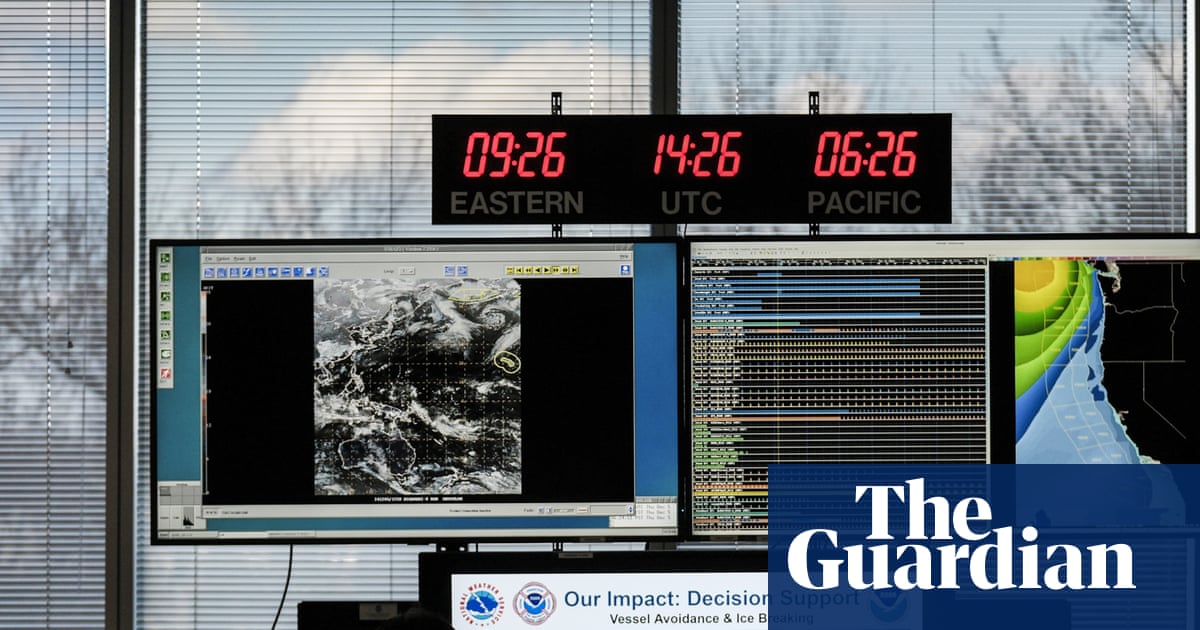
The National Oceanic and Atmospheric Administration launched a suite of artificial intelligence-powered global weather forecast models late last year, according to agency announcements. NOAA stated the new models are designed to improve "speed, efficiency, and accuracy" of weather predictions.
In March, an agency official said the AI models are being trained using centuries of historical weather data. The implementation comes as meteorologists prepare for the upcoming hurricane season and what could be another summer of extreme temperatures.
Separately, NOAA scientists have issued warnings about potential coastal flooding risks associated with the developing El Niño weather pattern. Researchers indicate the El Niño could trigger frequent and widespread flooding in coastal areas around the United States in 2026, potentially occurring even when storms are not actively present.
The timing of these developments coincides with ongoing discussions about federal climate and weather data programming. Weather experts emphasize that artificial intelligence tools for weather prediction require substantial amounts of quality data for effective training and operation.
The new AI-powered forecast models represent a significant technological advancement for NOAA's weather prediction capabilities, though their effectiveness will depend on continued access to comprehensive weather data sets.